How to Rank Your Website in 2026: The Ultimate SEO Checklist
Introduction: Why SEO Still Matters in 2026
Ranking your website in Google in 2026 isn’t about finding shortcuts or using tricks. It’s about understanding how people search for things, what they want, and how your website can provide real value. If your website isn’t ranking, it’s not because SEO is dead; it’s because your SEO strategy is outdated.
This guide aims to give you a simple SEO process that works in 2026. Whether you are new to SEO or run your own business, this guide will help you.
Start with Keyword Research That Reflects Real Intent
Many people start SEO by searching for keywords, but this isn’t always the best approach. What matters more is understanding what your audience truly wants. For example, if someone types “how to rank your website in Google,” they want actionable advice, not just basic information.
That’s why focusing on long-tail keywords is better. These are less common yet more effective. Such keywords can really boost your website’s authority, and authority is what Google looks for.
On-Page SEO Is About Clarity, Not Complexity
On-page SEO isn’t complicated; it just needs attention to detail. Your title should describe your content. Your headings should be easy to follow, and your writing should feel natural. Stop stuffing keywords everywhere.
If your content is easy to read and answers questions clearly, you are already ahead of many sites. Today’s search engines can understand context, so writing naturally is essential.
Technical SEO: The Backbone of Your Website
You can have the best content, but if your website is slow and hard to navigate, it won’t help you. Technical SEO is the backbone of your website.
A fast website keeps visitors engaged, and a mobile-friendly site makes them happy. Even small improvements in speed and structure can significantly impact your rankings. Most of the time, fixing technical issues can enhance your overall performance.
Mobile-First Is No Longer Optional
By 2026, most users will access your website using their phones. This means your website should be accessible and optimized for mobile devices. The text should be easy to read without zooming in, it should load quickly, and navigation should be smooth.
When visitors have a positive experience, they will stay longer. When they stay longer, search engines see that as a good signal, and your rankings will improve.

Content That Actually Helps People Wins
There’s a big difference between content that only fills space and content that solves problems. When your content answers questions in relatable ways, people trust it, and search engines notice that.
Instead of writing for machines, write for people. Be clear, avoid complex terms, and make your content easy to read. The more readers engage with your content, the better it can rank.
Understanding User Intent Changes Everything
A major shift in modern SEO is focusing on user intent. It’s not just about what users search for, but why they search for it. If someone searches for “SEO checklist for beginners 2026,” they want a clear explanation, not something vague.
When your content matches that intent, it’s more likely to rank well. That’s what sets good content apart from content that ranks well.
Backlinks Still Matter in Modern SEO
Despite many SEO changes, backlinks remain important. When other sites link to your work, it signals trustworthiness to search engines.
Quality matters more than quantity. A few high-quality backlinks are better than many low-quality ones. Naturally connecting with other sites and producing quality work will earn you valuable backlinks.
The Role of AI in Modern SEO
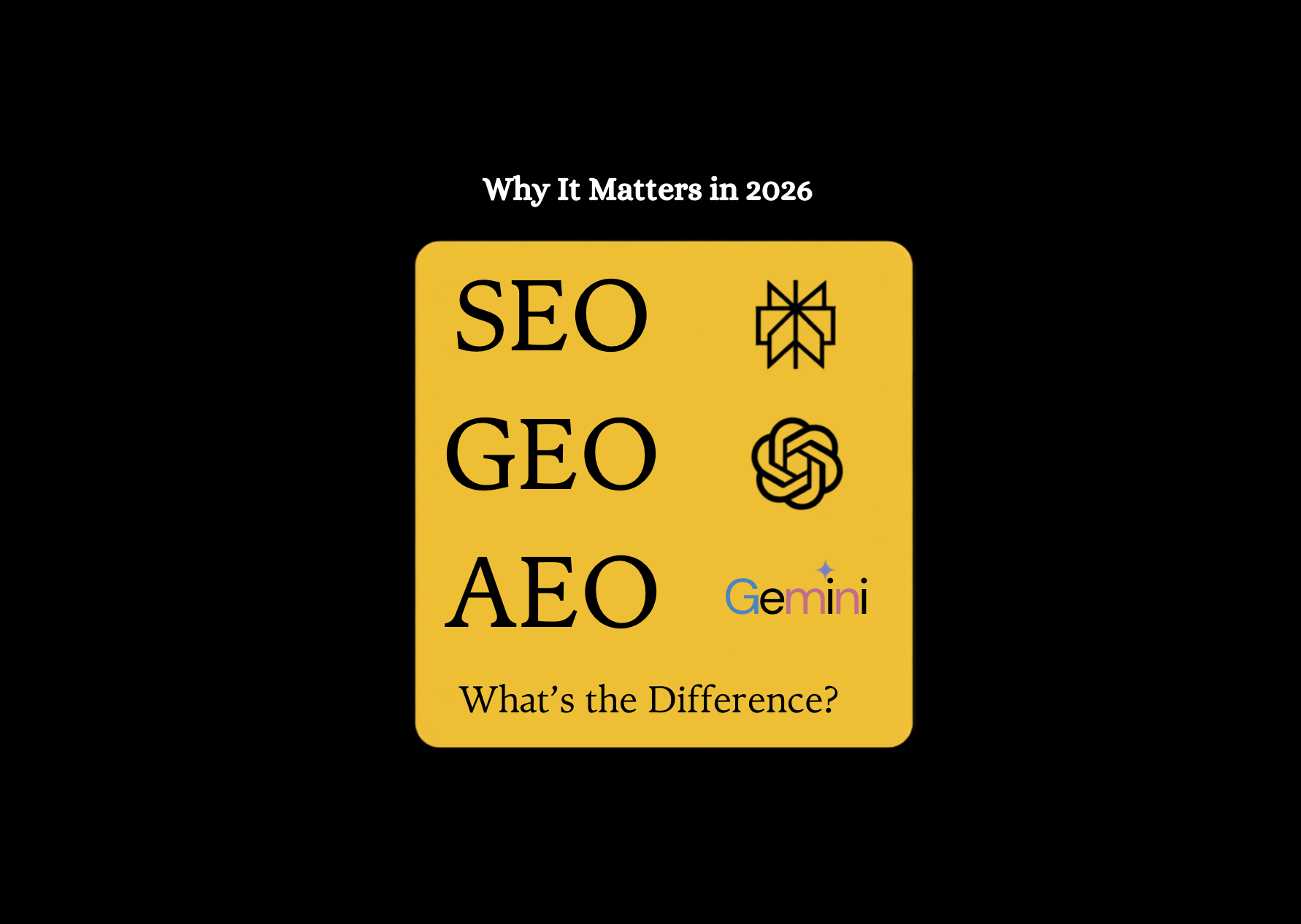
Search engines are becoming smarter, and AI plays a big role in that. Answer Engine Optimization and Generative Engine Optimization create new ways for people to find your content.
This means your content should be organized to answer questions. Clear explanations, concise sections, and insightful information improve your chances of appearing in various rankings.
Conclusion
SEO isn’t something you implement once and forget. It evolves. When you track your progress, you see what works and what doesn’t. This helps you make small adjustments that lead to growth.
What are the common questions people have about SEO?
When will I see results from my SEO? The truth is that SEO takes time; you won’t see immediate effects. It usually takes at least 3 to 6 months for significant changes.
What’s the difference between On-Page and Off-Page SEO?
On-page SEO is everything done on your website, while off-page SEO is what happens outside your website, like backlinks and online authority.
Is SEO better than paid ads (PPC)?
SEO is more cost-effective and sustainable than paid ads, but paid ads provide quicker results. Combining both approaches often yields the best results.
How do I track my SEO performance in Google Search Console?
You can track your site’s performance in Google Search Console by checking clicks, impressions, average position, and keyword rankings to identify areas for improvement.
What are the most important Google ranking factors?
Good content, backlinks, and user experience are the key Google ranking factors. Google favors websites that offer value to users.
Do I need technical knowledge to start SEO?
You don’t need technical skills to get started. You can begin with basic SEO strategies like creating quality content and choosing relevant keywords. As your website grows, you can learn and apply more advanced technical SEO strategies.