Hyper-Personalization in Digital Marketing: How AI Creates Individual Customer Experiences
Why individualizing each customer as a unique segment is not an option in 2026 but a necessity.
There was a time when sending the same emails to all of your contacts was enough. You send your message, some people will open it, some will even click, and that is the end of a campaign. However, such practice becomes a thing of the past. Customers in 2026 expect brands to understand their needs even before they type their search queries into Google, and when those needs are not met, they simply move to competitors.
The name for this phenomenon is AI hyper-personalization. While regular personalization can only mean adding names to the subject line of an email or dividing the audience into general age categories, hyper-personalization marketing leverages artificial intelligence, customer data, and predictive analytics to treat each individual as a unique segment.
What Is Hyper-Personalization
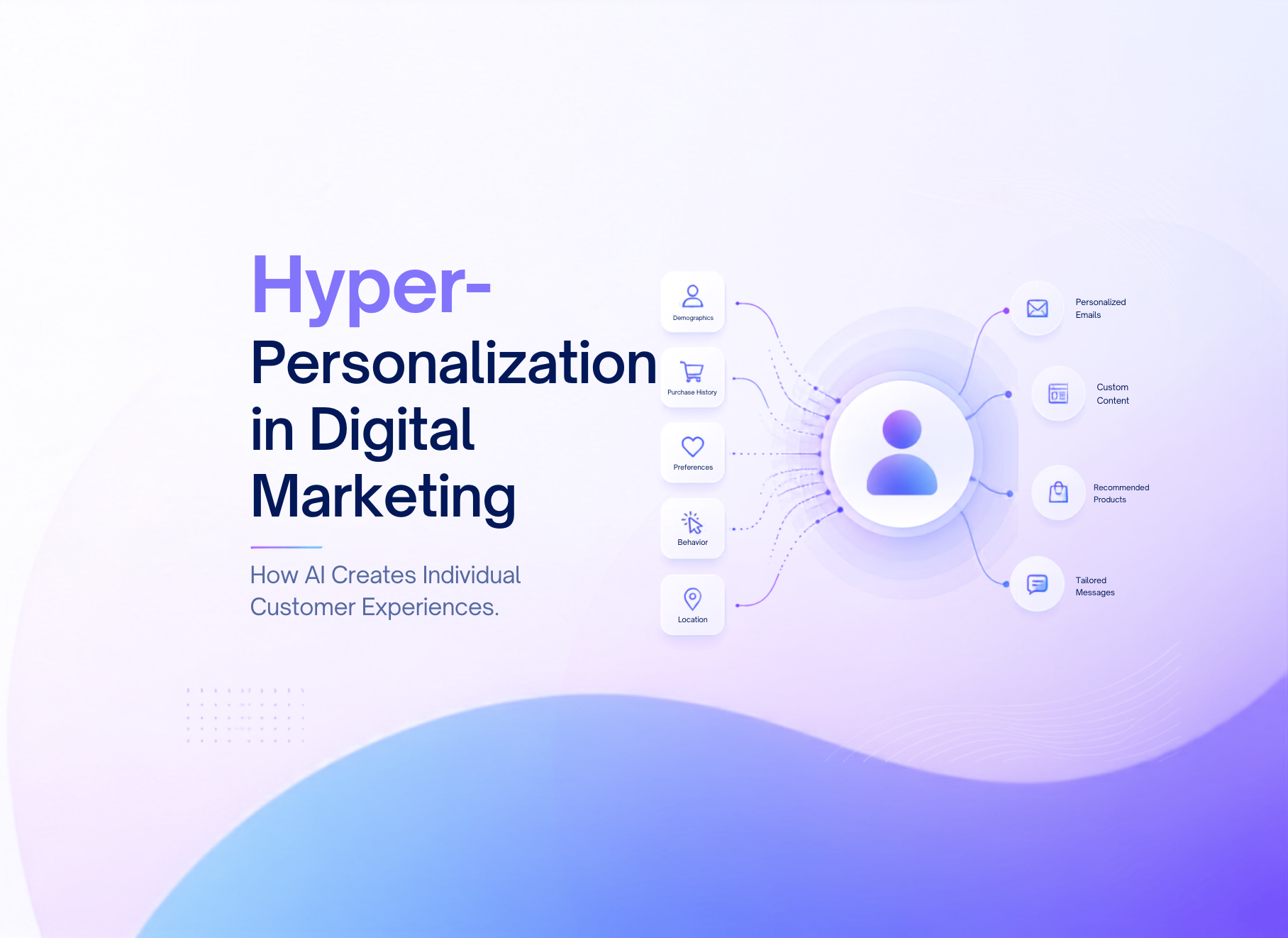
So what is hyper-personalization then? The practice goes beyond simple segmentation of the audience. The traditional form of personalization segments the customers by location, age, or purchase history and delivers personalized messages to each segment individually. Hyper-personalization does away with segmentation altogether. It takes first-party, behavioral, and purchase data and real-time data to create a dynamic, continuously evolving customer profile of a single buyer.
This is when the question of personalization versus customization and personalization versus segmentation becomes relevant. The former allows a user to adjust the settings manually, while the latter involves grouping of customers. Hyper-personalization, which uses machine learning algorithms, reacts to the actions of a specific individual automatically and without any manual intervention from either the customer or the brand.
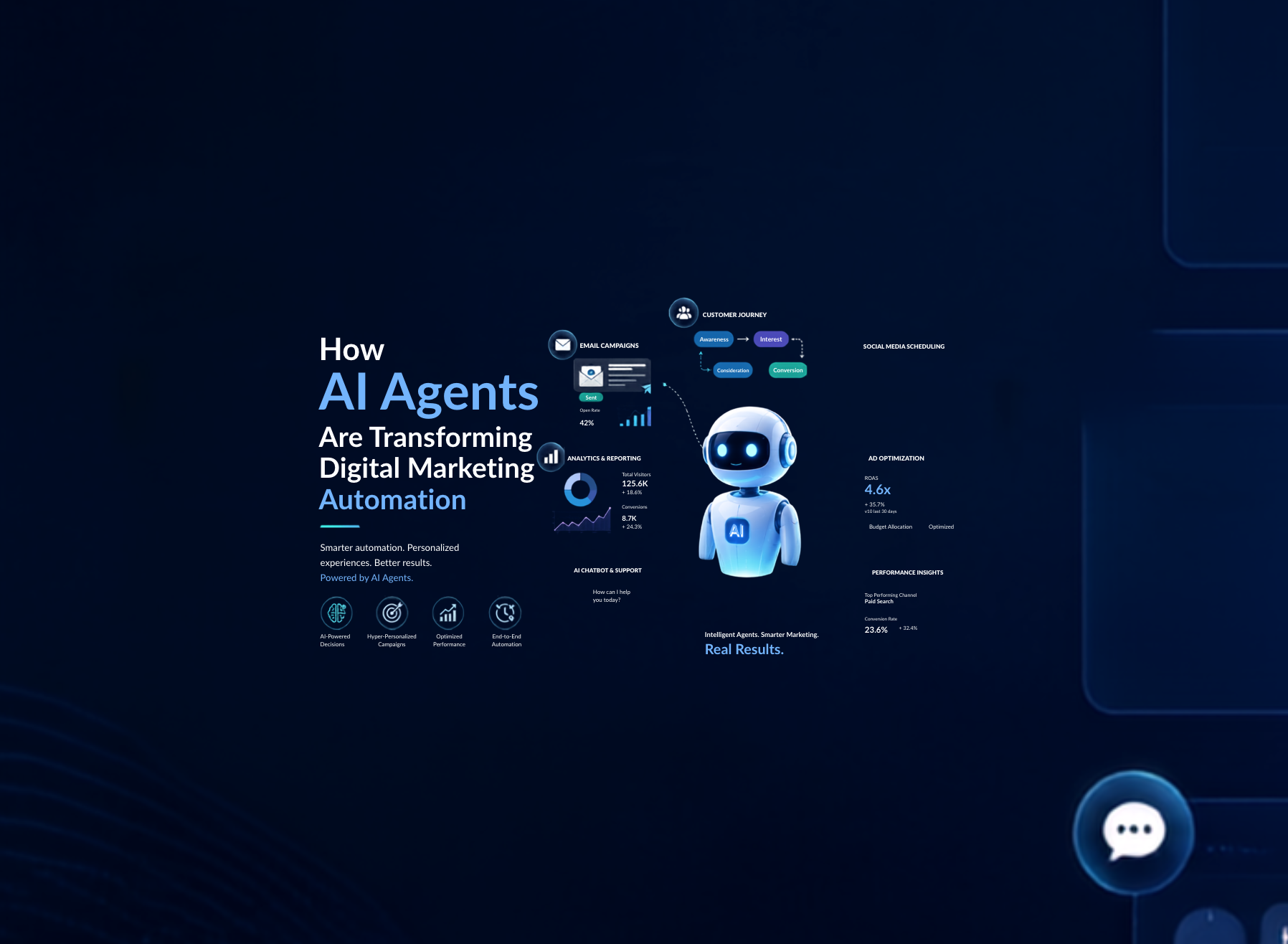
Machine learning and marketing automation are what enable one-to-one marketing to happen. An employee cannot manually personalize a website for ten thousand people simultaneously, but an AI marketing platform can do that in milliseconds, analyzing the behavioral targeting triggers. This is the essential difference between personalization and hyper-personalization.
Why Personalization Has Become Non-Negotiable
There has been a paradigm shift regarding customer expectations and customer experiences. Surveys from recent times reveal that the vast majority of people want personalized treatment from brands, and an equally overwhelming number feel annoyed when a brand does not provide the same. This makes all the difference between a completed transaction and an abandoned cart.
There are many benefits of conversion optimization. Conversion rates through AI-driven personalization increase significantly compared to conventional campaigns, while CRM-driven personalization generates revenue increases. The market for hyper-personalization technology has increased rapidly in recent times because of improvements in the field of generative AI marketing, predictive personalization, and customer intelligence.
The executives have noticed it. Today, a significant proportion of managers regard personalized marketing as imperative for competitive success rather than a nice-to-have feature. Organizations that are postponing the adoption of AI marketing automation technology are not only missing out but lagging behind others who treat all customer preferences uniquely.
How AI Powers Hyper-Personalization
Predictive Personalization and Predictive Marketing
Rather than responding to a customer action, predictive personalization predicts what a customer might want next. It could be anything from displaying a recommendation engine result before the user even searches for it or sending out an email at the precise moment when it becomes statistically likely that the customer converts.
Personalization in Real-Time and Behavioral Targeting
Artificial Intelligence tracks how the person navigates the website, which elements the visitor stops on and leaves, and uses the behavioral information to personalize the content in real time, usually even before the visitor moves onto another page.
Dynamic Content and Generative AI Personalization
Thanks to Generative Artificial Intelligence, brands can now produce numerous versions of emails, ads, or landing pages automatically, personalized for each possible journey of a customer, without having to write out the content manually for each variation.
Customer Data Platform and Digital Personalization
The CDP gathers information from all channels email open rate, mobile application interactions, and purchase history into one customer personalization profile. Industry predictions state that this year most companies will consider their CDP to be crucial infrastructure, as fragmented data means no personalization at all.
Real-World Examples of Hyper-Personalization
- Recommendation systems for e-commerce websites that change recommendations based on session data, not purchases alone.
- Personalized homepages that change based on your video viewing history and what time of the day it is.
- Dynamic email content that uses machine learning algorithms to customize your offer and subject line.
- Location-based offers from retail companies sent exclusively when you are near their actual stores.
- Products offered by financial institutions based on spending trends without crossing compliance red lines.
Here are some hyper-personalization examples to learn from.
Privacy-First Personalization
Hyper-Personalization will only work if it uses the consumer’s data, and this is a problem. Many consumers have concerns about what is done with their data. With many websites now cookieless, businesses are trying to rebuild personalized marketing campaigns using first-party data collected through consumer consent. There are some data privacy laws set to come into force in 2026, which carry heavy fines if the company does not comply.
Building Your Hyper-Personalization Strategy
It is important to audit current marketing automation systems because almost all of them are built-in AI marketing systems that have been underutilized.
Bring together customer data through multiple channels because fragmentation is the main challenge to true personalization.
Work with just one channel, whether that is email or recommendation on-site.
Ensure you build consent into every action, as first-party consent data will always beat scraped data.
Measure conversion lift, retention, and lifetime value, not just open and click-through rates.
Final Thoughts
Hyper-personalization does not involve gathering data for the sake of gathering. Rather, it involves gathering and analyzing the data in a manner that would make each of the customer experience as personalized as possible. AI allows achieving that in a way that cannot be achieved by humans alone, but the personalized marketing plan itself should be carefully crafted, with privacy taken into account.
In 2026, successful companies will not just be those who improved their conversions; they will become those who built loyalty, which will allow them to remain profitable much longer than the effect from a personalized email campaign lasts. Technology will continue to develop, but the fundamental principle will not change: Customers want to receive an individualized customer experience, and companies should learn to provide that.
Ready to Make Every Customer Feel Like Your Only Customer?
The time for hyper-personalization has already passed, and it is the norm that customers are expecting right now. No matter whether you are planning on using just one AI-based email campaign or developing a whole personalization engine in real-time, it is the companies that are making their move right now who will be remembered later.
If you are ready to use the customer data available to you and create hyper-personalized experiences, we can assist you with creating a strategy for doing so.
Start Your Personalization Strategy Today