Is Digital Marketing Still Worth It in 2026? Here’s the Truth
Every year, someone pronounces the death of digital marketing. But every year, digital marketing prospers. As we approach 2026 and artificial intelligence changes the face of search, costs increase, and social media algorithms get tighter. Now is the time to ask ourselves seriously: Is digital marketing really worth it? The truth is, yes, but only if you know how to do it.
Is digital marketing still profitable in 2026?
Yes. Companies employing integrated digital marketing campaigns have an ROI of 200-400% on average, with SEO accounting for some of the best returns on investment. The industry itself is expected to be worth more than $1.1 trillion by the year 2026. It does work, but strategy, consistency, and channel choice determine if you win or lose money.
Is Digital Marketing Dying or Growing?
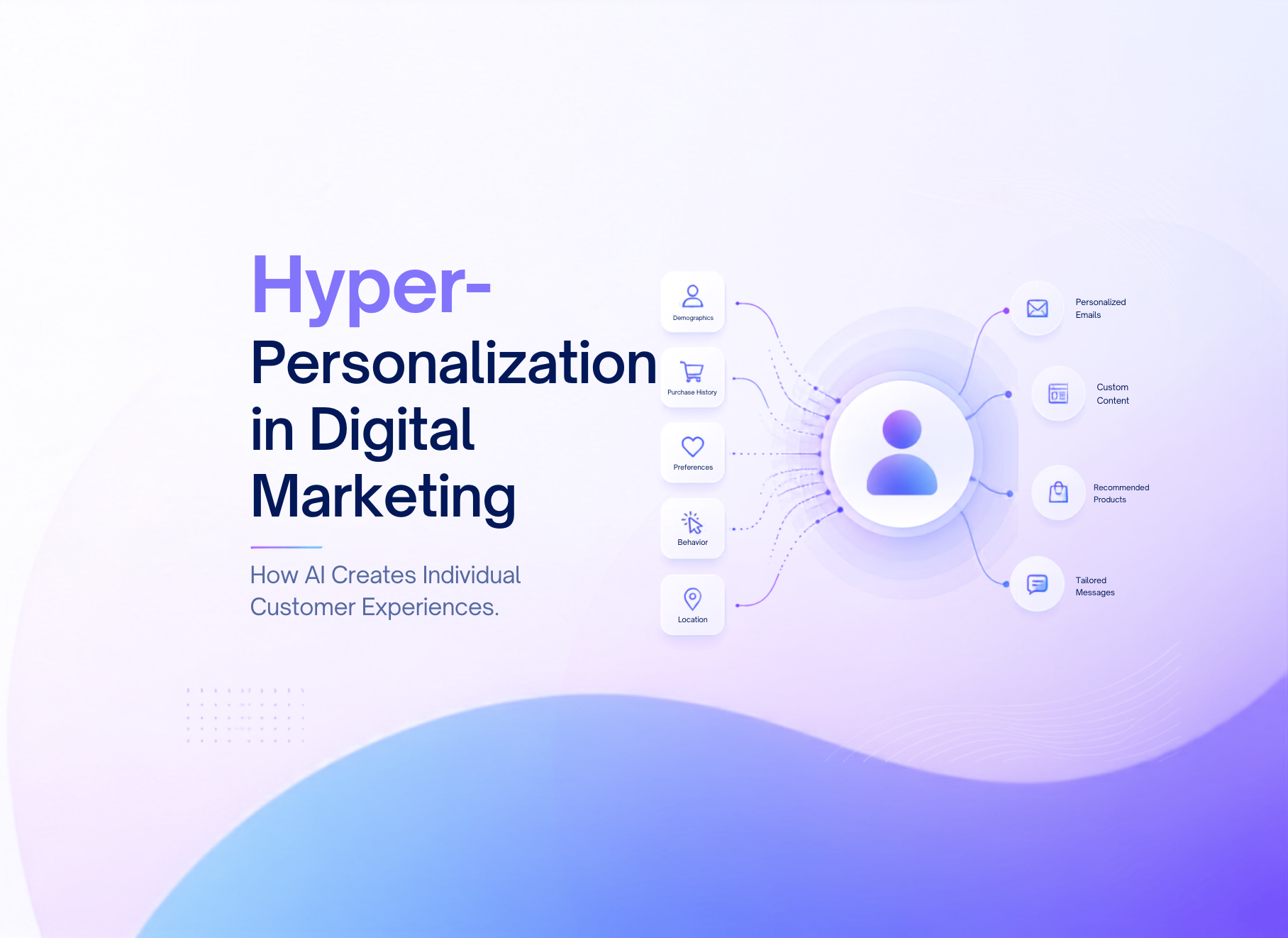
Let us clear the myth of “is digital marketing dying” using numbers. The global online marketing industry statistics in 2026 project an impressive upward curve. Mobile, e-commerce, and AI-led personalization have made digital marketing channels more potent, rather than less effective.
Digital marketing is not dying. It is evolving. Brand acquisition has been transformed into intent-driven channels, search, short videos, and AI recommendations. Companies that embrace it experience robust brand growth; those who don’t become invisible online due to competitors’ rapid evolution.
Digital Marketing vs Traditional Marketing: Real Cost Comparison
One of the most asked questions in the business world is whether the return on investment of digital marketing in 2026 makes the switch worthwhile. It is very evident.
Factor | Digital Marketing | Traditional Marketing |
Average Cost per Lead | $50–$200 | $200–$1,000+ |
Audience Targeting | Precise & Real-Time | Broad & Estimated |
Performance Tracking | Measurable (Live) | Difficult to Attribute |
Conversion Rate | 2–5% avg (higher with SEO) | 0.5–1.5% avg |
Speed to Market | Hours to Days | Weeks to Months |
For small businesses, more specifically, the debate of digital marketing vs traditional marketing cost is one that does not exist. You can do an effective Facebook or Google campaign for $300.
Is SEO Still Worth It in 2026?
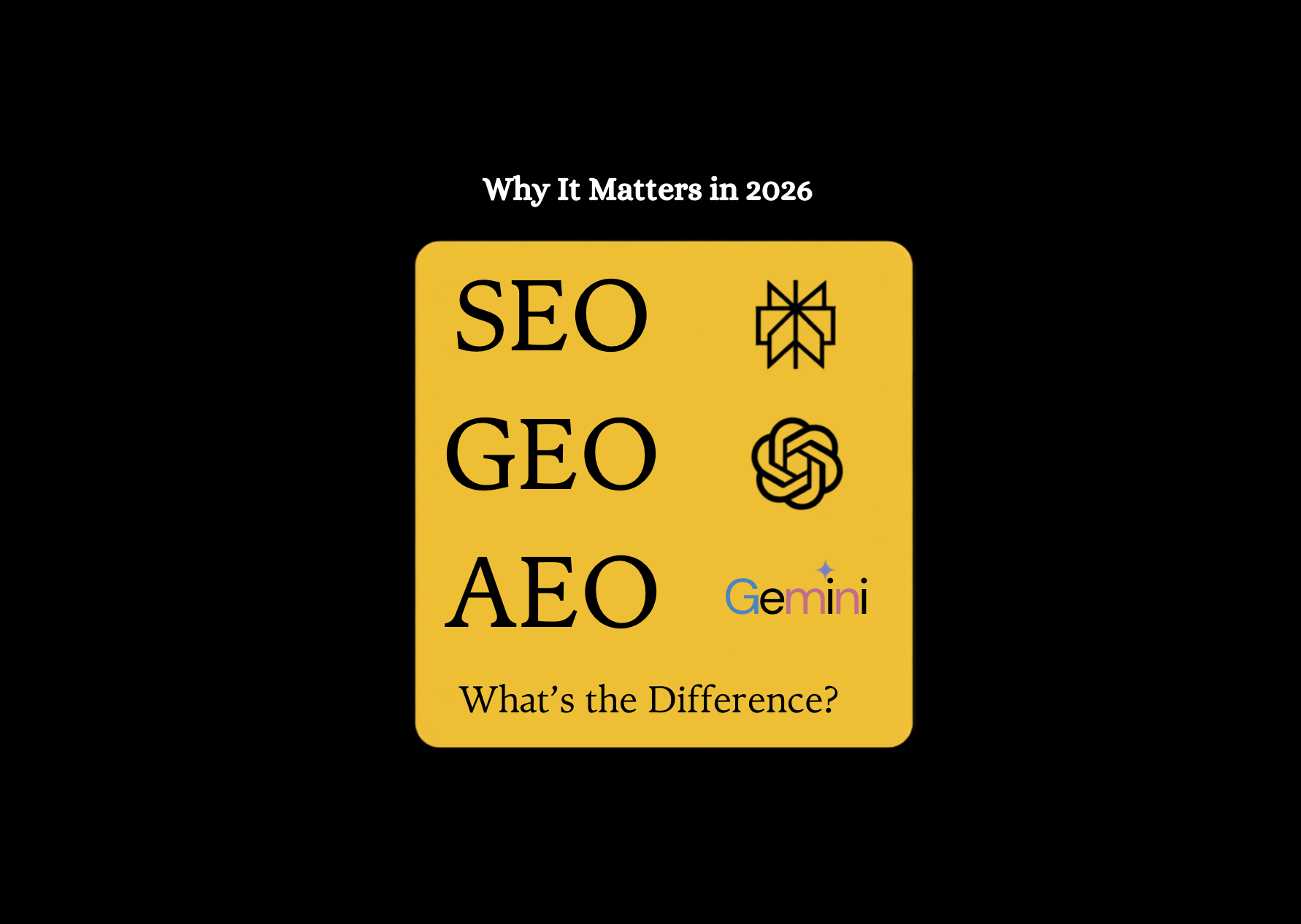
As AI Overviews now show up in Google’s search engine results, numerous organizations are starting to wonder if SEO still makes sense in 2026. The answer is an unequivocal yes, with a few adjustments in mind. AI summaries draw on credible, properly structured content. If your site isn’t optimized, it won’t even be considered. SEO isn’t just about ranking any longer – it’s about being the source that AI can trust.
“Organic search is still responsible for 53% of all website traffic. SEO isn’t something you do optionally – it’s the base.”
Organic versus paid marketing ROI still leans in favor of SEO for sustained benefits. Optimized pages continue bringing traffic for years at a time without further investment. Paid advertising works fast but ceases functioning once the budget is exhausted.
SEO vs PPC: Which Is Better in 2026?
They both have their own purpose. PPC works well when it comes to acquiring customers immediately, launching products, and making time-sensitive offers. SEO works great when it comes to building up the brand over time, gaining trust, and reducing cost per acquisition. The best course of action would be to combine both approaches.
Is Social Media Marketing Worth It in 2026?
Yes, but the choice of platform makes all the difference. The organic reach on Facebook is almost non-existent for most business pages. But then short videos (TikTok, Reels, YouTube Shorts) work wonders when it comes to reach for a relatively low investment. LinkedIn has the highest conversion rates in B2B marketing. Pinterest and YouTube have traffic through searches that are always active.
Is Hiring a Digital Marketing Agency Worth It?
Yes, for the majority of growing businesses, but only if you select the proper agency. The benefits of working with digital marketing agencies include having the right expertise, using superior software, better execution, and consistency with digital strategy. The downsides are poor communication and misalignment of KPIs.
Request agencies to show you case studies with ROI, not just website traffic figures
Select agencies that have experience within your particular industry vertical
Make sure that reporting from the agency includes conversion rates and actual acquisition figures
Check agency versus in-house pricing. Agencies are generally 30–50% cheaper than having an in-house team
Digital Marketing Myths vs Reality
MYTH
“You must have an enormous budget to succeed in digital marketing.” Even small businesses with $500 budgets per month routinely beat their bigger competition by applying good targeting and excellent content.
REALITY
Digital marketing is one of the most scalable marketing channels. You can test the channel and only ramp up your spending once you see the ROI. This is something impossible with traditional marketing.
MYTH
“Digital marketing gives you quick results.” Businesses generally want leads within the first week.
REALITY
It takes three to six months for SEO to get off the ground. It takes six to twelve months for content marketing. PPC can give you results within days, but requires optimization.
Frequently Asked Questions
How long does digital marketing take to show results?
SEO normally starts showing results between 3 and 6 months. PPC can start generating leads within 48-72 hours of implementation. Social media marketing takes between 2 and 4 months to gain traction after continuous posts. An overall omnichannel digital marketing approach will start showing compounded benefits between 6 and 12 months.
What is the ROI of digital marketing?
On average, email marketing produces $42 in return for each dollar invested. SEO offers 14.6% conversion rate while outbound offers just 1.7%. The cost of content marketing is 62% lower than conventional marketing, and it produces 3 times as many leads. On the whole, digital strategy offers 200-400% ROI.
Can digital marketing help small businesses?
Sure, it can, because small businesses can benefit much more from digital marketing than big businesses. It helps small businesses compete with bigger brands by showing their ads or content to the right people, instead of spending too much on TV or big campaigns. Even simple local SEO can bring more nearby customers, calls, and visits to the business.
Is paid advertising good for a business?
Yes, paid advertising can be good, but only if it has goals set up and conversion tracking. Pay-per-click marketing works well in the case of product launches, seasonal campaigns, and customer acquisition.
The Verdict: Is Digital Marketing Worth It in 2026?
Absolutely, yes. Digital marketing will not only be worth it but also indispensable in 2026. The difficulties associated with digital marketing are quite obvious: high prices for advertising, constant changes in algorithms, and content saturation. But companies that have decided to apply a strategic approach to their digital marketing and combine SEO, content creation, paid advertising, and social media promotion continue to grow faster than their competitors. And only those who are ready to invest in such a complex approach will have success in the online space in 2026.
Conclusion
To conclude, digital marketing is worth it in 2026, but only if it is approached strategically. Business owners will no longer be able to randomly post content or run advertisements and expect positive results. The future of digital marketing is all about smart customer acquisition, online presence building, branding, conversion rate optimization, and measuring marketing ROI.
Whether you decide to engage in SEO, PPC, social media marketing, or hire a digital marketing agency such as FoxPals, your choice should be based on your company’s specific goals.