Why Social Media Is Replacing Google for Product Discovery.
What Is Product Discovery and Why It Matters Now
Understanding where consumers discover products today is critical. Marketing budgets that align with modern discovery channels drive growth, while outdated strategies often waste resources. For decades, that moment happened on Google. Type a query, see results, click, buy. That’s how it used to be. It was straightforward.
Now, the way people shop has changed a lot. The path to buying something does not start with searching for it. It starts with scrolling through media or online feeds.This change is huge for brands, marketers, and digital experts who want to reach buyers in 2026. Figuring out where people actually find products today is crucial.It’s not just about knowing for the sake of knowledge. It can. Break a marketing budget. A budget that works well helps you reach buyers. On the other hand, a budget that does not work just wastes money. It becomes irrelevant. Does not give any results.
40%
of Gen Z users use TikTok or Instagram for product searches over Google
76%
Many consumers have bought a product after seeing it on social media
$1.2T
projected global social commerce revenue by the end of 2026
3×
More product research time spent on social vs search engines by under-35s
Is Google Losing Search Traffic to Social Media?
Google is not dead. Let us be clear about that. For things like finding out how to log in to YouTube or getting information on when the Eiffel Tower was built, Google is still the place to go. It is also the place for important decisions like healthcare or financial matters. When people are just starting to look for products to buy they are using social media platforms more and more. According to Google executives speaking at industry events, nearly 40% of younger consumers were already using TikTok and Instagram for product and local searches in 2023. That trend has continued to grow as social platforms improve their search capabilities.
The reason for this is not that Google is bad at giving information about products. It is just that social media is better at making people want things. When you see a person using a skincare product or opening a new tech gadget, it makes you feel something that just a link, on a page, cannot do. A person who studies how people buy things said, “Search engines tell you what a product is. Social media shows you what a product feels like.”
So, where are people finding products online in 2026?
Here is how product discovery channels stack up based on aggregated survey and behavioral data across 18–45 year-olds:
72%
TikTok
68%
YouTube
65%
Google Search
58%
41%
34%
Source: Aggregated consumer behavior surveys, 2025–2026. Multiple selections allowed.
People find products on Instagram and TikTok in a way.
Product discovery on Instagram and TikTok works differently from traditional search engines. On Google, consumers actively search for products they already know they need. On social platforms, algorithms introduce products users were not actively looking for.
This shift has transformed how brands approach marketing. Instead of competing for search rankings alone, companies must create engaging content that captures attention during everyday scrolling. Successful brands combine entertainment, storytelling, and authenticity to turn casual viewers into customers.
Short-form video drives impulse discovery
The Discovery features on TikTok (For You Page) and Instagram (Reels) raise awareness of a product while the consumer hasn’t entered into shopping mode yet. The most effective discovery content appears to be entertaining rather than promotional.
Micro-influencers beat paid marketing efforts
Content creators who have 10K–100K subscribers show a sixfold increase in engagement rates compared to star influencers. Authenticity is key to success for modern social algorithms.
In-app purchases streamline the shopping process
Shopping within Instagram, TikTok, and Pinterest (via pins) helps consumers go through the funnel steps from discovery to purchase without any effort.
TikTok product discovery trends
TikTok has emerged as one of the most influential product discovery platforms of the decade, particularly among Gen Z and younger Millennials. The hashtag #TikTokMadeMeBuyIt has gone past 80 billion views. Among the categories where products are discovered at the highest levels through TikTok are beauty & skincare (34%), home & kitchen (22%), fashion & apparel (19%), and food & beverages (15%).
Most importantly, TikTok search is fundamentally different from Google searches. Users use TikTok to search for experiences, results, and feelings (“effective skincare for oily skin”), not specifics (“SPF 50, oil-free sunscreen”). For brands seeking to optimize their TikTok performance, storytelling, not keyword optimization, should be the focus.
Instagram product discovery
With its strong visual focus, Instagram is the undisputed leader of product discovery for fashion, cosmetics, interior design, and lifestyle. A whopping 70% of product discoverers rely on Instagram, and each month, 130 million people click on products found on Instagram. This seamless connection between Instagram’s organic feed, Stories, Reels, and Shop feature is something that no other social media platform has been able to replicate yet.
Google vs Instagram vs TikTok for Product Search
It is the question being asked by every brand manager and marketing manager. Is there any clear winner? Absolutely not; it will all depend on your specific product, demographic, and marketing goals. However, the data speaks volumes.
Dimension | TikTok | ||
Discovery type | Intent-based | Visual inspiration | Algorithmic serendipity |
Primary audience | All ages | Millennials + Gen Z | Gen Z and younger Millennials |
Content format | Text, links, images | Photos, Reels, Stories | Short-form video |
Purchase intent | High (bottom funnel) | Medium (mid funnel) | Medium-high Rising fast |
Ad cost (CPM avg) | $2–$5 | $5–$12 | $3–$8 |
Trust factor | High (authoritative results) | Medium (influencer-dependent) | High (peer authenticity) |
Best for | High-consideration purchases | Lifestyle, fashion, beauty | Impulse & discovery buys Product discovery |
How Gen Z Discovers Products Online
To understand the future of product discovery, you have to understand Gen Z search behavior because what Gen Z does today, Millennials will adopt tomorrow, and the rest of the market follows within five years. This is not speculation. It is the consistent pattern of digital adoption over the past two decades.
Gen Z doesn’t trust conventional marketing and advertising. They are used to the consumption of content from feed-based platforms, giving them the capacity to spot an advertisement a mile away. What they trust is real-world interactions between real people who are using the product.
Gen Z is significantly more skeptical of traditional advertising than previous generations. They prefer recommendations from creators, peers, and real customer experiences over polished brand messaging.
TikTok
Primary discovery engine for Gen Z. Search + algorithm-driven exploration
#1 for Gen Z
Visual inspiration and influencer-led discovery. Dominant for fashion & beauty
Visual commerce leader
YouTube
Long-form reviews and tutorials. High-consideration purchases and tech products
Deep research platform
Planning and aspiration-led discovery. Home, wedding, DIY, and style categories
High-intent shoppers
SEO vs Social Media Marketing for Discovery
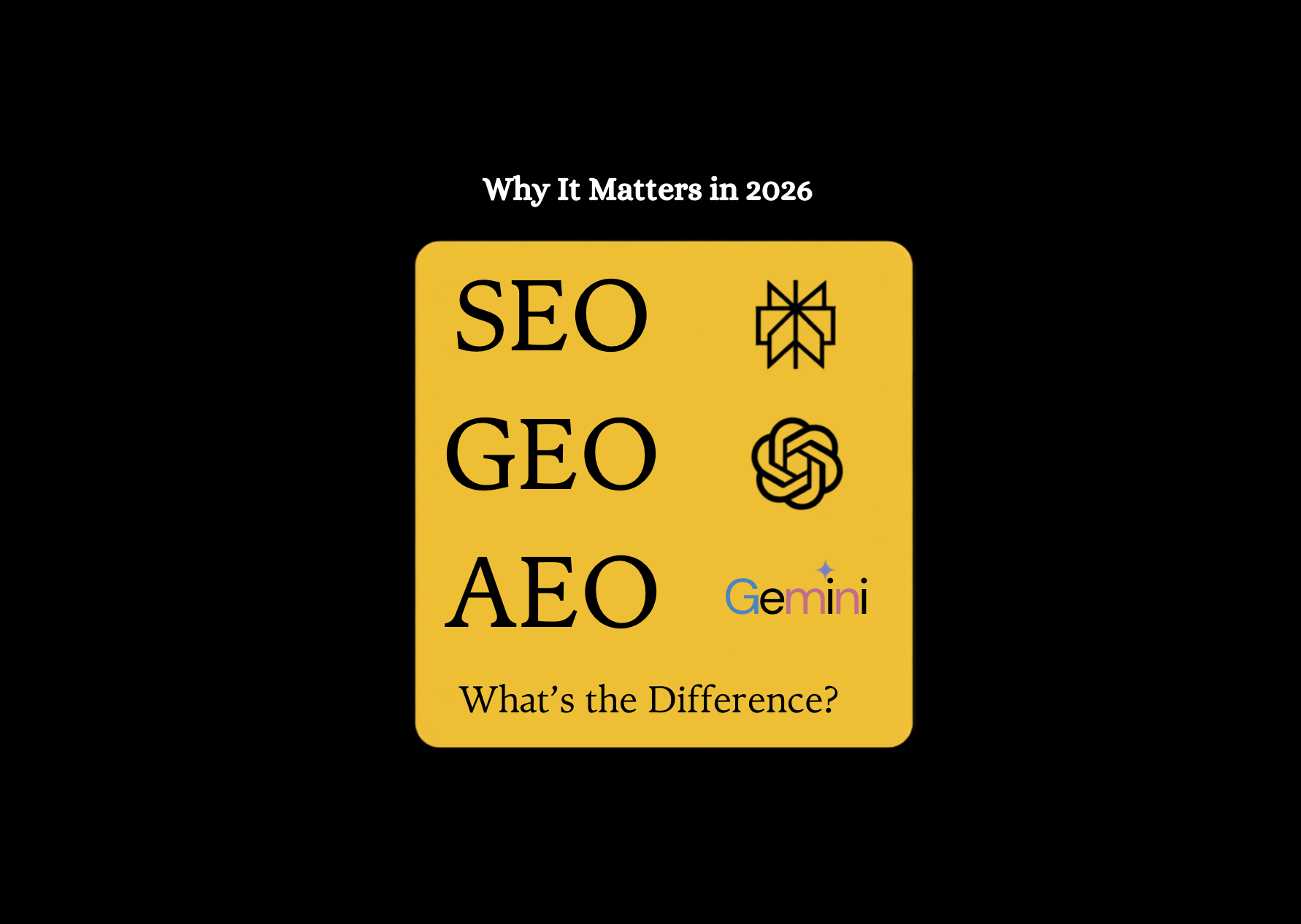
For years, marketers treated SEO and social media as separate strategies. Today, the line between them is increasingly blurred as social platforms develop powerful search functions and search engines prioritize visual and video content.SEO for sustainable organic results; pay-per-click (PPC) social campaigns for rapid reach. But now social platforms have their own native search capabilities, TikTok’s search feature competes with Google in certain use cases, and SEO is being replaced by “social SEO.”
In today’s landscape, wise marketers don’t choose between SEO and social media marketing. They combine the two with content from social media, providing SEO signals and SEO research, driving social media marketing campaigns. The difference is fading fast. Businesses with siloed strategies are suffering.
The difference between social search and traditional search: key distinctions
While traditional search engines (Google, Bing) operate based on indexing and ranking static web pages, articles, and other digital documents, social media platforms’ native search algorithms rank videos, posts, and user-created content based on engagement metrics, not backlinks and domain authority.
What does this mean? That while SEO requires keyword density, backlinks, and structured data, social SEO needs something else: attention-grabbing copy, trending hashtags, popular audio clips, social proof, and comment interactions. And in 2026, marketers must be skilled in both languages.
The Path Forward For Search And Social Media
The future of product discovery is not search versus social media. It is the convergence of both. Search engines are becoming more visual and personalized, while social platforms are becoming powerful search and shopping destinations. Social networks are turning into search engines, while search engines are evolving to become social networks. The addition of AI Overviews, shopping feeds, and video results by Google shows that it’s aware of the threat. With over 30% more searches processed through the TikTok search tab in 2025 compared to 2024, the opportunities social media platforms see are plain to see.
For discovering products in particular, social media’s competitive edge is amplified with every new feature and every cohort of consumers who have learned to swipe before typing out their search terms.
The brands that will succeed in this landscape are the ones that will abandon the notion of social media marketing and focus instead on social media as the discovery engine of modern-day consumers.
FAQs
Q1: Why do consumers use TikTok search rather than Google search?
Consumers turn to TikTok search because it combines entertainment with discovery. Instead of typing in keywords on Google, users can see products in action, watch reviews, and explore trends through short videos. TikTok also surfaces content that feels more authentic and social, making it easier to discover products organically.
Q2: What is the best platform for product discovery in 2026?
The best platform depends on your target audience, but short-video and social commerce platforms like TikTok, Instagram Reels, and YouTube Shorts are leading for product discovery. These platforms combine visual storytelling, influencer recommendations, and seamless shopping features. They allow consumers to explore new products while engaging with content, making discovery faster and more enjoyable than traditional search.
Q3: How do consumers discover products on social media in 2026?
Consumers discover products through a mix of algorithmic feeds, trending hashtags, influencer posts, and interactive ads. Social shopping features—like in-app checkouts or “shop this look” options—make it easy to go from discovery to purchase. Peer reviews, video demonstrations, and user-generated content also play a major role in shaping buying decisions.
Q4: How should brands market on social media to drive product discovery?
Brands should focus on creating engaging, visually appealing content that showcases products in real-life scenarios. Collaborating with influencers, leveraging trending audio, and using short-video formats can increase reach and engagement. Additionally, integrating shoppable features, clear calls-to-action, and authentic storytelling will help turn discovery into conversion.
Final Thoughts
Ask about building a platform-specific product discovery strategy for your brand from TikTok content planning to Instagram Shopping setup.