10 Social Media Marketing Trends Every Brand Should Watch in 2026
Social media marketing is not going anywhere but forward. As algorithms change, new platforms emerge, and consumers crave authenticity more than ever, 2026 is looking to be the biggest year ever in terms of how brands establish themselves online. Whether it’s a startup putting together its very first content calendar or an enterprise brand growing its paid campaigns, being on top of these trends is not just about success; it’s about survival. Here are the top 10 social media marketing trends brands need to pay attention to. AI-powered content creation at scale
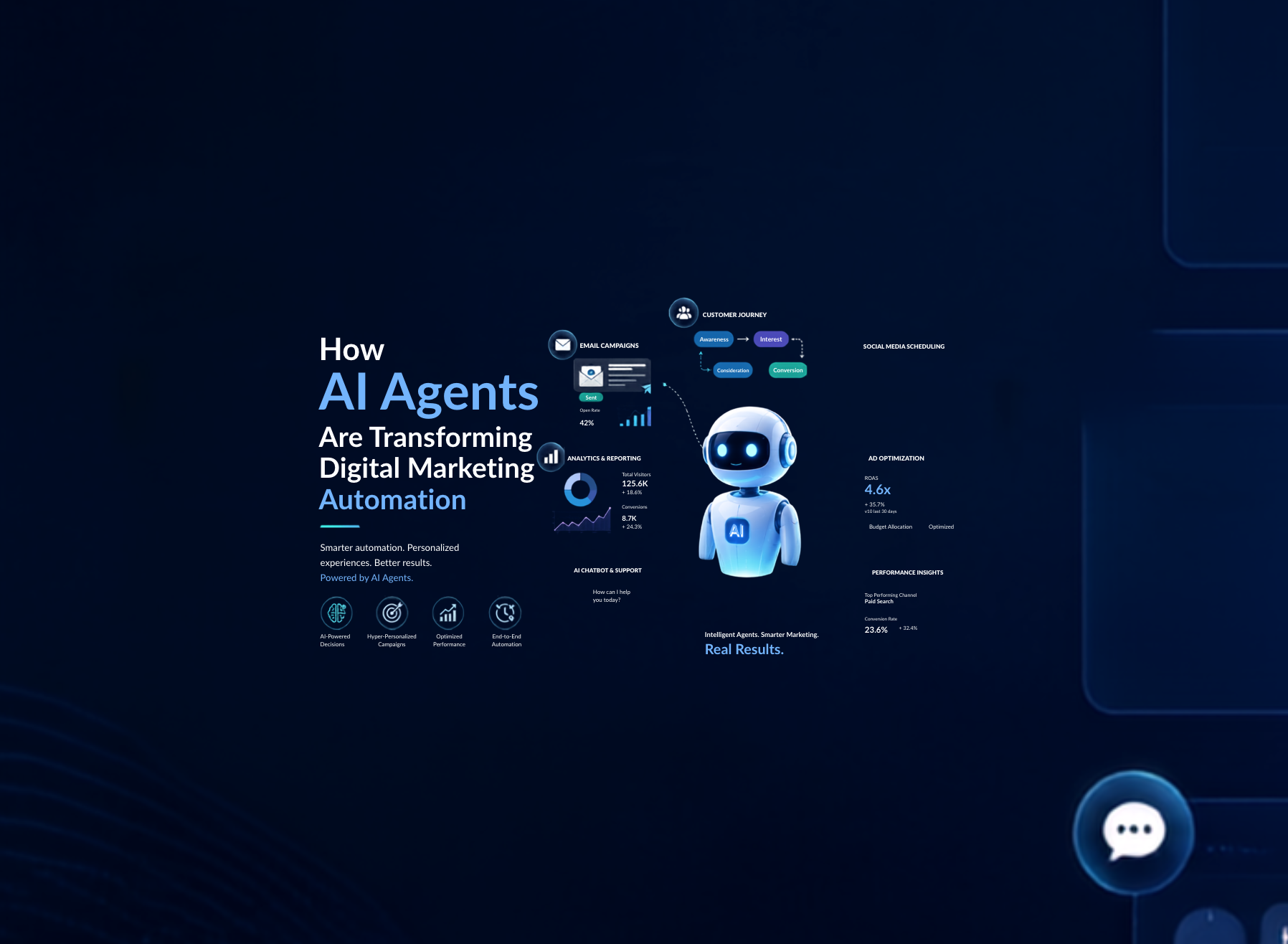
Artificial intelligence has stopped being an aspirational future-state idea for social media strategies and has become the engine that drives the process from behind the scenes. Social media teams that use artificial intelligence for developing their content ideation processes, generating captions, creating images, and writing videos by 2026 will be creating 3–5 times as much content as those that don’t. Why? Because smart brands are not leveraging artificial intelligence to replace human ingenuity but rather to free their strategists from mundane work in order to focus on narrative and community interaction.
72%of marketers use AI tools weekly
3.8x more content output with AI assist
Short-form video dominance continues, but with a twist
Short-form videos continue to dominate the market, but social media trends in 2026 show another interesting aspect: viewers appreciate quality over quantity. While a good start is crucial, videos of 60-90 seconds can do better than shorter videos for businesses looking to optimize conversion and build trust. For the highest engagement in 2026, a short-form video should grab viewer attention with a catchy opening, provide real value to its target audience in 10 seconds, and finish with a clear, easy CTA. According to TikTok marketing trends in 2026, educational content is 40% more popular among viewers than entertainment-focused content.
Social commerce becomes a primary revenue channel
The check-out process is officially in the feed itself. Social Commerce, that is, the capacity to find, evaluate, and make purchases for oneself without ever leaving the platform at all, is no longer something just experimented with by brands. Instead, it is one of the main ways through which a brand earns income. The likes of Instagram Shopping, TikTok Shop, and Facebook Marketplace have reached the level of being very sophisticated environments where brands can implement their complete conversion funnels within the platform itself. When it comes to consumer products, e-commerce via social media is no longer separate from each other anymore.
$1.2Tprojected global social commerce sales in 2026
The creator economy expands beyond mega-influencers
Influencer marketing vs advertising is an outdated discussion. By 2026, fragmentation within the creator economy will have happened for the better. It has become the micro-influencers, with 10K-100K subscribers, and even nano-creators, with less than 10K subscribers, that drive brand awareness for businesses seeking genuine reach beyond overblown numbers. Such creators tend to perform better than celebrities in terms of engagement, trust factors, and buying intent, often for a fraction of the price. The most effective approach to social media for brands today is to build long-term relationships with influential creators rather than single-post sponsorships.
Social SEO replaces traditional search for Gen Z
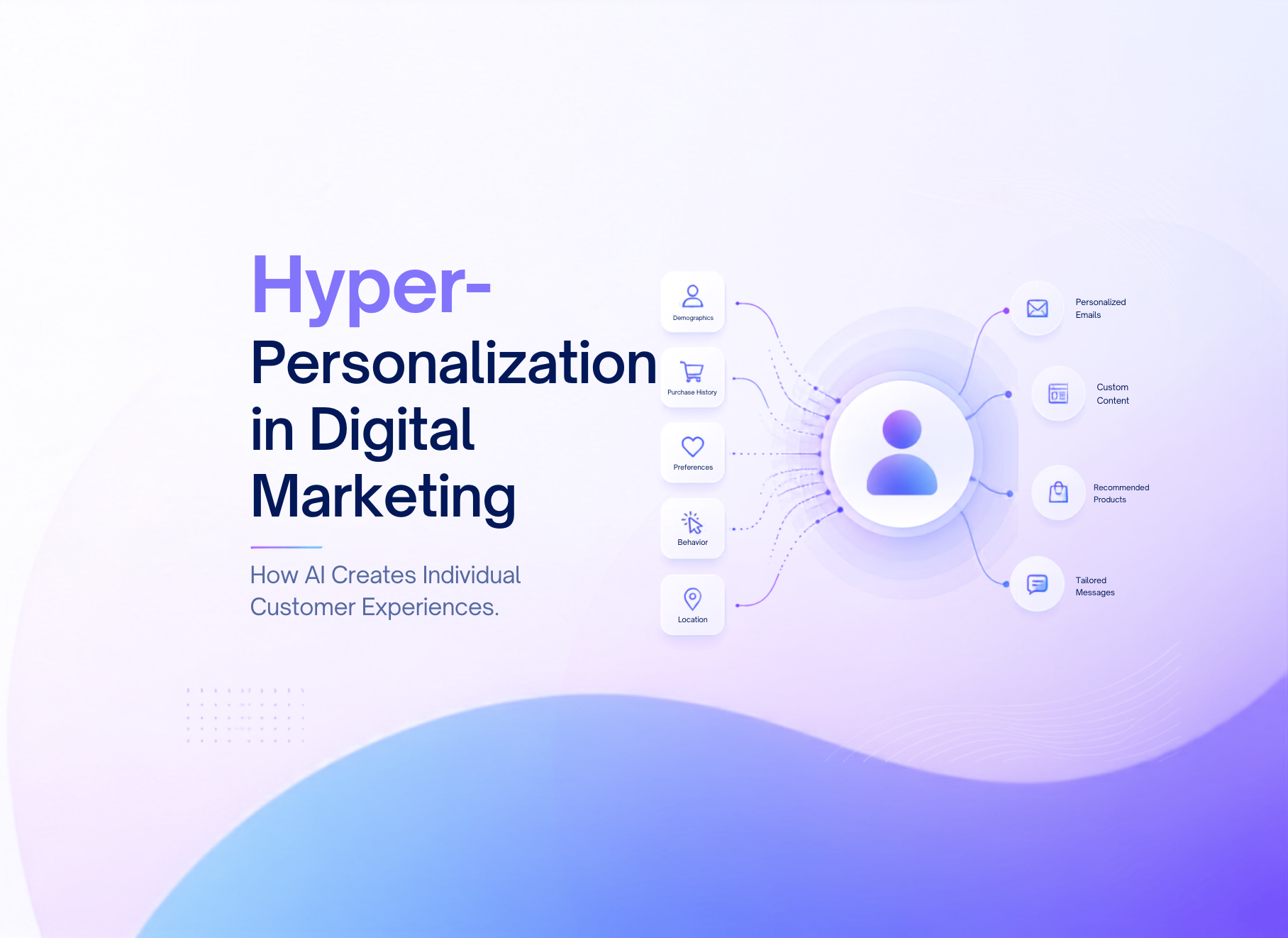
One of the most disruptive upcoming trends for social media marketing in 2026: TikTok and Instagram have become search engines. Recent research indicates that more than 40% of the Gen Z population would use either TikTok or Instagram rather than Google to find product suggestions, discover local businesses, and learn how to do things. In other words, your hashtags, on-screen text, and voiceover content can now work for SEO purposes and will be searchable on platforms that use algorithms to display your videos to individuals who have not even followed you yet.
Community-first brand building drives long-term loyalty
The concept of social media broadcasting to many has gone out of style. The current social media trends for businesses reveal that brands creating real communities via Discord servers, Facebook Groups, Instagram Close Friends, as well as private Substack communities connected to social networks, are now experiencing significantly higher retention rates and lifetime customer value.Members of these communities tend to spend more, refer others, and remain loyal over time. What’s the social media growth strategy for 2026? It’s not going to be about following numbers; instead, the focus will be on the quality of the connections that your brand can establish with a community that truly relates to you.
LinkedIn’s B2B renaissance redefines professional content
The LinkedIn marketing trends of 2026 paint a fascinating picture: the once simple résumé website has grown into one of the most influential organic content platforms out there for B2B businesses. Founder content, thought leadership videos, and employee advocacy campaigns are delivering an exceptional amount of reach, sometimes even 10 to 20 times the organic reach of posts on the business’s profile page. The platform’s algorithm focuses highly on content that generates legitimate discussion amongst professionals, making it the perfect place for B2B brands to post opinionated pieces and reveal some process insights that go against the grain.
Authentic UGC consistently outperforms polished production
One of the most critical and surprising trends on social media in 2026 for brands is that some of your most costly and well-produced content is going to perform worse than unpolished and authentic user-generated content. Authenticity wins in algorithms and in social media feed preferences, so brands need to develop their user-generated content platforms. They can do so by running hashtag campaigns, offering incentives for customer reviews that have the potential of being reposted, and giving their employees a voice on social media. It’s not the brands that produce the best videos that perform well, but those that foster the most engaged community.
Organic vs paid: a smarter hybrid strategy wins
The discussion of whether to go with an organic versus a paid social media approach is now put to rest because neither side wins on its own merit. The best performing brands in 2026 make use of an integrated approach, wherein the use of organic posts is used for building awareness and community, and searchability is coupled with paid posts, which push already successful organic content in front of a new target audience. The important realization that will shape future digital marketing trends when it comes to social media marketing is that campaigns powered by high-performing organic content perform better than those that are created from scratch. Organic is where the experiments take place, while paid is what takes them to scale.
Data privacy reshapes how brands approach audience targeting
As a result of this evolving trend, whereby privacy has become a key pillar for developing any kind of digital experience, including cookie deprecation, iOS updates to tracking, and other data-related regulations, the rules of audience targeting have been forever changed. The brands that were depending on third-party data for their social media advertisement in 2026 are suffering at this moment, whereas companies that started collecting their own first-party data, through email databases, loyalty schemes, CRM integration, and social media lead generation software, have flourished. Social media marketing has evolved into contextual marketing, where the goal is to attract consumers based on the contents that they consume.
Final Thoughts
The biggest social media marketing trends 2026 make it abundantly clear. What works in social media marketing isn’t about having the biggest budget or the most prominent brand name – it’s about being able to change and adapt. This involves using AI to work more quickly, building communities not audiences, partnering with creators instead of relying on costly productions, and taking first-party data as the base of all your targeting.
Is social media marketing still effective? Of course, but only if you keep up with its evolution. Social media marketing of 2026 has changed so much compared to just two years ago that staying put means watching your reach, engagement rate, and conversion rate drop before your eyes.
So, which platform should be used in marketing in 2026? There is no definite answer here; it will depend on your target audience, your product, and what your team excels at. What the companies that are succeeding are doing, though, is finding one or two areas on which they can excel instead of trying to excel at all platforms at once.
So how should brands grow their social media presence in 2026? The key is to conduct an audit based on these 10 trends and determine where you’re falling behind in two or three areas. Then create a plan to improve your social media performance over the next 90 days.
Ready to grow? Turn these trends into your 2026 social media strategy
Get a free, personalized social media audit and discover exactly which of these trends your brand can capitalize on right now, no fluff, no generic templates, just actionable insights tailored to your business.